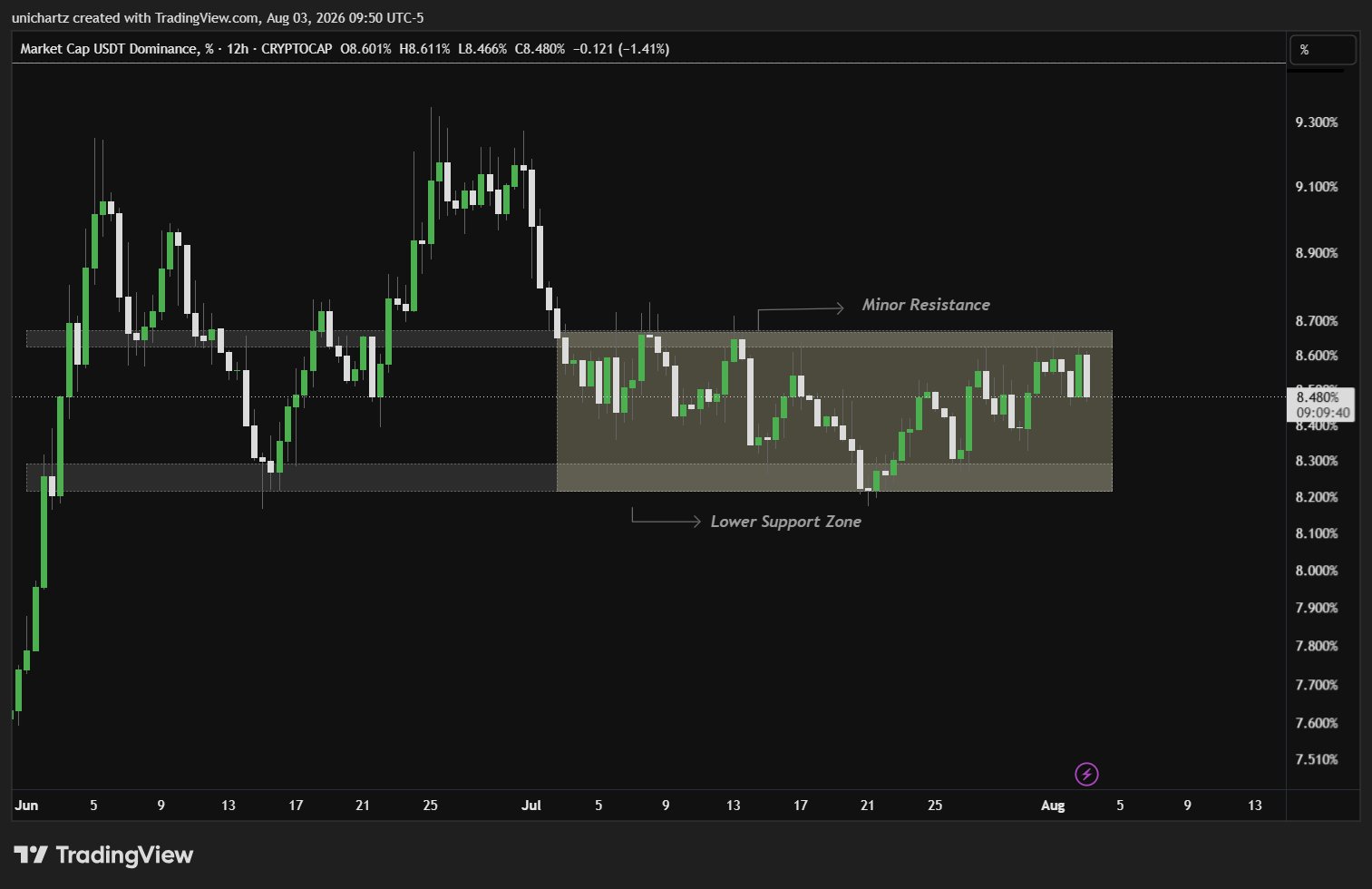
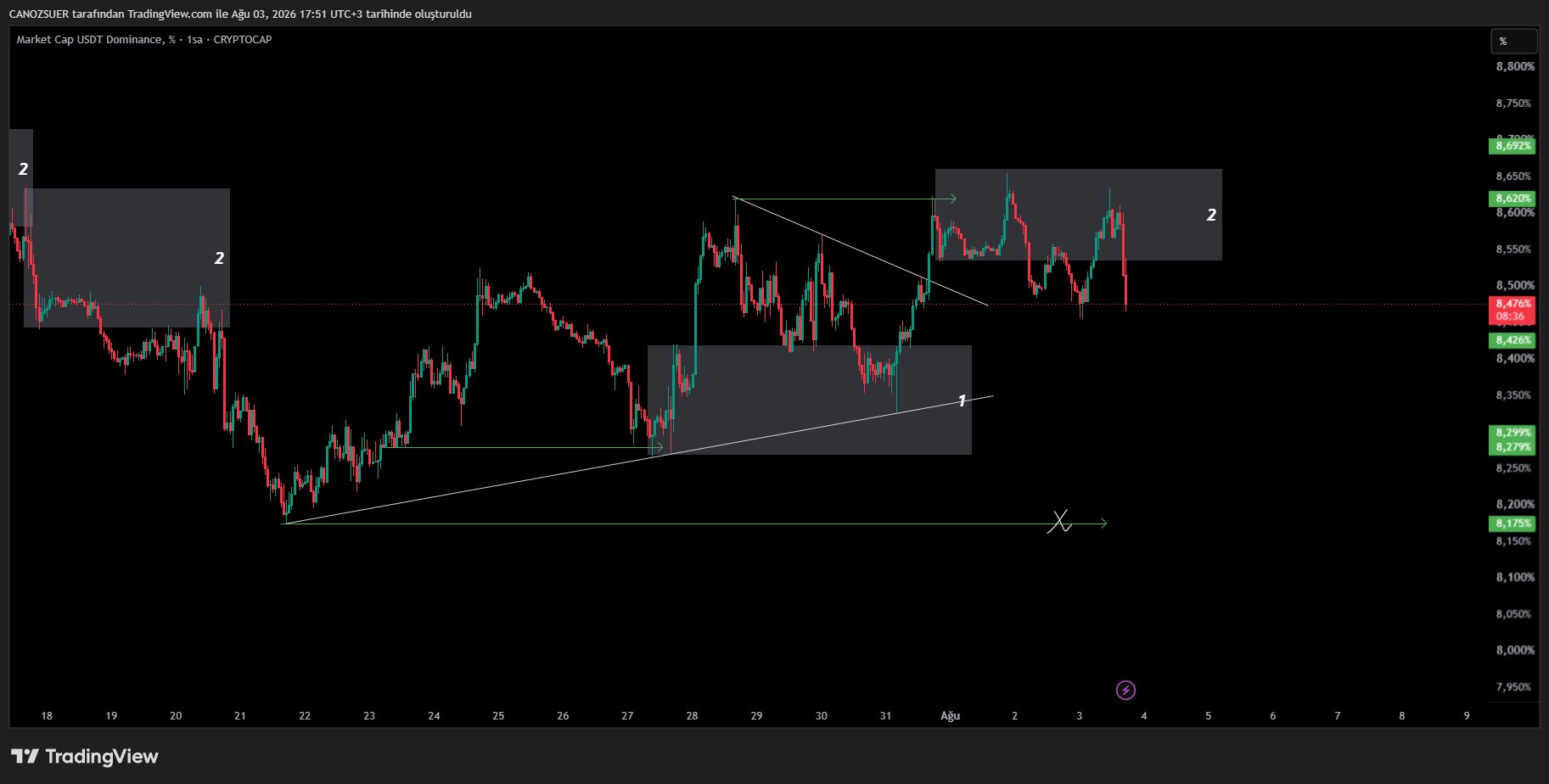
⚠️ #Binance's USDT holdings exceed its BTC holdings
Cash is safety.... https://t.co/VHz6n8tquv

⚠️ #Binance's USDT holdings exceed its BTC holdings
Cash is safety.... https://t.co/VHz6n8tquv
🇪🇺🚨 MICA REGULATION - LAGARDE - IT'S GETTING DIRTY - GO! 👇
Yesterday Binance withdrew its MiCA application from the Greek regulator HCMC on its own. Binance anticipated a possible rejection and pulled out voluntarily – according to Reuters the decision would otherwise have been negative. The EU transition period ends on July 1. About six days remain in which the world’s largest exchange will be without an EU licence. Here are the drivers that explain the situation.
THE APPLICATION WAS UNSTABLE FROM THE START
It was filed on January 23 through a newly created Greek subsidiary called Binary Greece. Declared capital: €25,000. For a platform of this size that is a mailbox with a door sign.
It was reviewed jointly by Greece, Ireland and Latvia. Concerns centered on Binance’s old legal issues and its opaque corporate structure. On June 16 Reuters reported from two sources that HCMC would reject it. Binance disagreed, saying the application was MiCA‑compliant and reviewed at the ESMA level.
THE DEADLINE IS THE REAL WEAPON
The EU‑wide transition period ends on July 12. From then on, unlicensed platforms may no longer serve EU customers. Binance currently holds no MiCA licence in any EU country. The old national registrations in France, Italy, Spain or Poland do not count – no MiCA equivalent, no passporting.
And the bottleneck is wide. Out of more than 3,000 crypto firms, roughly 194 are licensed so far. About 60 % of EU users are still on unlicensed platforms. The OKX‑Europe chief has openly said: 80 % of exchanges will not survive MiCA.
THE TRIO
On June 22 Lagarde publicly promoted the digital euro. On June 23 the ECON committee passed the framework 43‑to‑14, with a launch target of 2029. On June 24 Binance withdrew. Three days, three steps.
It is also reported that after the review Lagarde intervened and signaled to Prime Minister Mitsotakis in May that Binance is unwanted in Europe. This is unconfirmed – neither the ECB nor Athens have confirmed or denied it. I treat it as a rumor, not as proof.
AND THIS IS WHAT CT GLOBAL IS SAYING RIGHT NOW
@solidintel_x sparked the viral spark: “INTEL – Lagarde allegedly directly blocked Binance’s European entry to strengthen the digital euro.”
@RobynHD: “That has not been officially confirmed. I really can’t imagine it – but it could be the ECB.”
@Chantal_Lang flips the question: “If Binance, with 1,500 compliance people, does not get its licence in time, the question may not be ‘What did Binance do?’, but ‘Is MiCA even calibrated for the crypto industry?’"
@greybtc raises the alarm: “Crypto as we know it dies on July 1.”
@MSBIntel provides the profit figure: “The OKX‑Europe CEO says 80 % of exchanges will not survive MiCA.”
My point: Most people look for a scapegoat – the ECB, Binance, Brussels. The more interesting trail is another one.
THE THREAD THAT CONNECTS EVERYTHING
No personal call from Lagarde is needed for the thesis to hold. The system’s structure is enough. The digital euro needs less US‑dominated private liquidity in the market, and MiCA simultaneously pushes stablecoins out – the USDT delisting has long been underway. Meanwhile Ripple has just received provisional green light via Luxembourg and OKX, Kraken and Revolut are running “switch to us before July 1” campaigns to capture market share, shifting the market’s static equilibrium.
The withdrawal is only the trigger. What really matters is the consolidation it sets in motion: a regulated oligopoly devouring open competition. Whoever holds EU liquidity after July 1 will be decided by supervisors, not by supply and demand.
Many people see Binance BStocks and their first reaction is:
"Oh, Binance can also buy US stocks now."
But if you only see that layer, it actually underestimates it.
The interesting part is not that "buying Nvidia is more convenient", but that US equities are being tokenized with USDT.
Before, it was crypto money trying to flow into US stocks.
Now Binance directly moves US stock assets into the crypto trading system:
24/7 trading,
USDT pricing,
can be transferred on-chain,
and in the future may even enter collateral, lending, DeFi portfolios.
This change is significant.
Because once US stock assets enter the crypto ecosystem, targets like NVDA, TSLA, COIN, CRCL are no longer just "stocks".
They become trading assets, margin assets, collateral assets, even underlying assets in portfolio strategies within the crypto space.
So what crypto exchanges truly aim to become may not be a broker.
Instead, a global financial account operating 24 hours a day.
Many in the crypto community are still debating whether "on-chain stocks" make sense.
But I think the direction is already clear:
It's not about putting US stocks on-chain.
It's about stablecoins beginning to swallow the US stock trading scene.